Common poisonous plants for cats
Common poisonous plants for cats
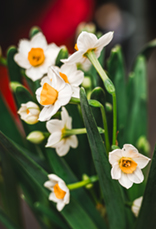
Narcissuse
Narcissus is highly poisonous for cats. Accidental ingestion can lead to vomiting, diarrhoea, abdominal pain, and loss of appetite. In severe cases, it can even affect the central nervous system, causing seizures, irregular heartbeat, and other complications.
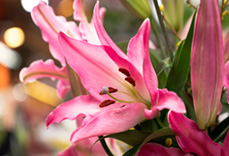
Lily
Lily is extremely poisonous for cats, and even a small amount of ingestion can lead to poisoning. They may cause damage to the heart, lungs, kidneys, and other organs. Severe cases can result in coma or even death.
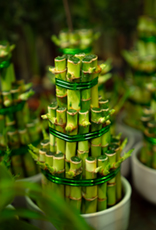
Lucky Bamboo
Lucky bamboo (Dracaena sanderiana) can be toxic to cats. Ingestion may result in symptoms such as drooling, vomiting, and decreased appetite. Depending on the amount consumed, it can cause more severe symptoms and distress.
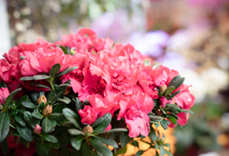
Azalea
Even a few leaves of azalea can harm a cat’s health severely. They can induce oral irritation, vomiting, and diarrhoea. The toxins in azalea may also disrupt the nervous system and cardiac muscles, ultimately leading to death.
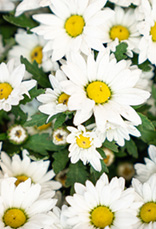
Chrysanthemum / Mums
Chrysanthemum is extremely poisonous for cats, and even a small amount of ingestion can lead to poisoning. They can cause damage to the heart, lungs, kidneys, and other organs. Severe cases can result in coma or even death.
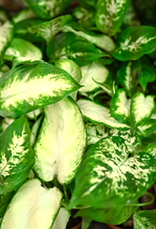
Dieffenbachia
Dieffenbachia contains neurotoxins. Upon contact, cats may exhibit symptoms such as nausea, vomiting, abdominal pain, and diarrhoea. Severe cases can result in coma or even death.
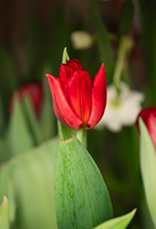
Tulip
Tulip can cause depression, diarrhoea, vomiting, and nausea in cats.
Aloe
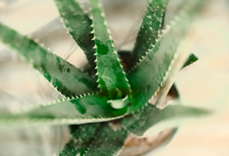
The emodin found in the outer layer of aloe can cause chronic toxicity in cats. Mild cases may present symptoms such as diarrhoea, vomiting, drooling, and fever.
Hyacinth
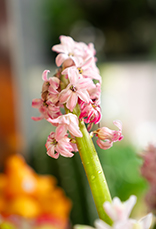
The entire hyacinth is considered “toxic” to cats, especially the bulbs, which can cause stomach cramps, vomiting, and diarrhoea.
Hydrangea
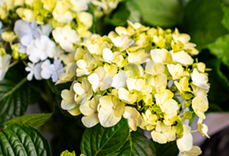
Hydrangea has a relatively lower toxicity, but they can still cause discomforts such as stomachache and vomiting.
Ivy
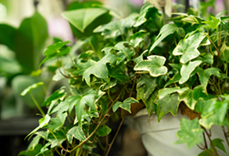
Ivy can be toxic to cats, with the level of toxicity and risk varying among different varieties and some can cause more severe symptoms. Ingestion of ivy may lead to symptoms such as oral irritation, vomiting, diarrhea, and abdominal pain.
Poinsettia
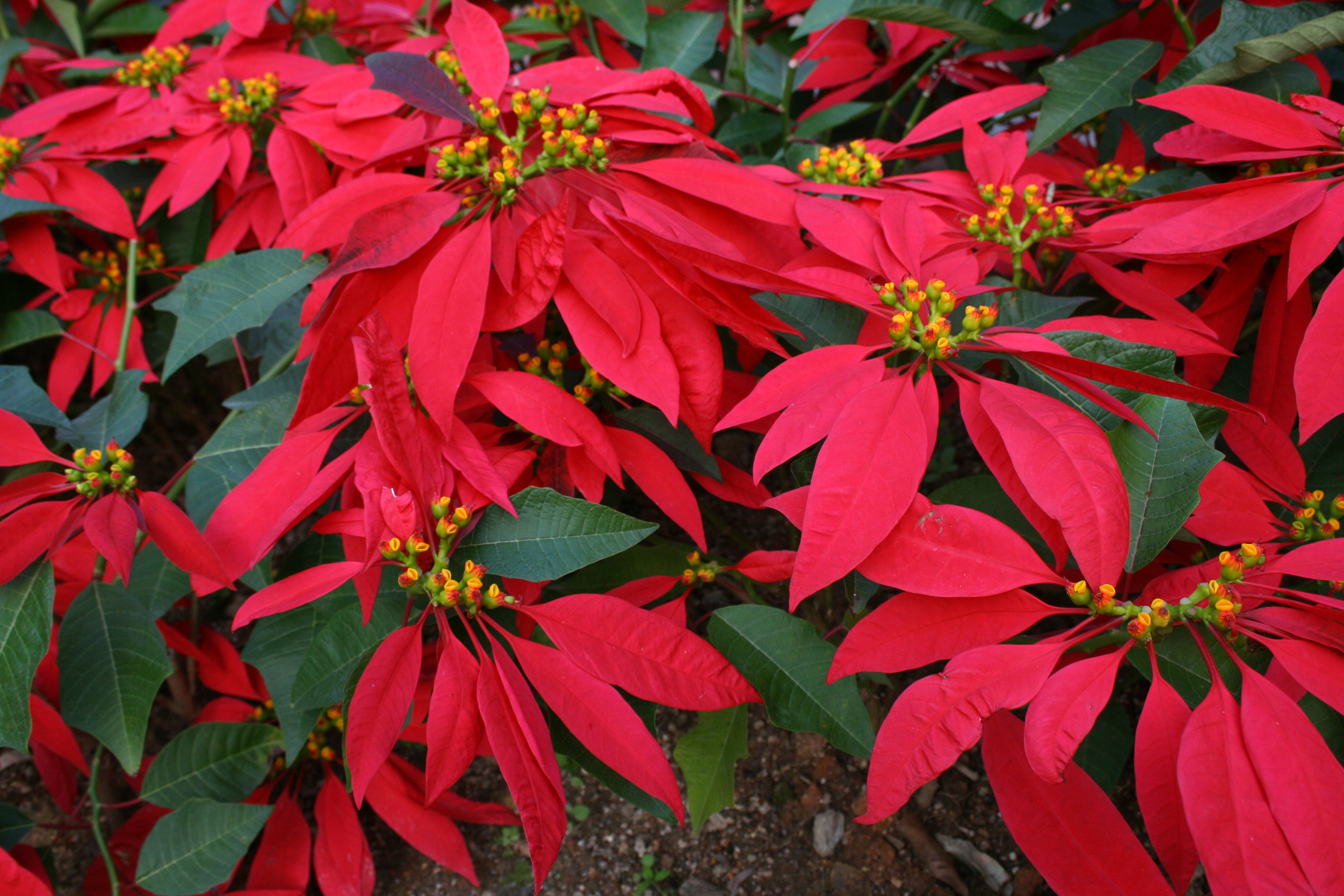
The white sap of poinsettia contains mild toxicity for cats. The sap may cause skin irritation and gastrointestinal tract irritation. Consumption of poinsettia can lead to symptoms such as drooling, vomiting, diarrhea, and stomach pain.